Wallpapers · Oct 17, 2026
How a wallpaper series gets made
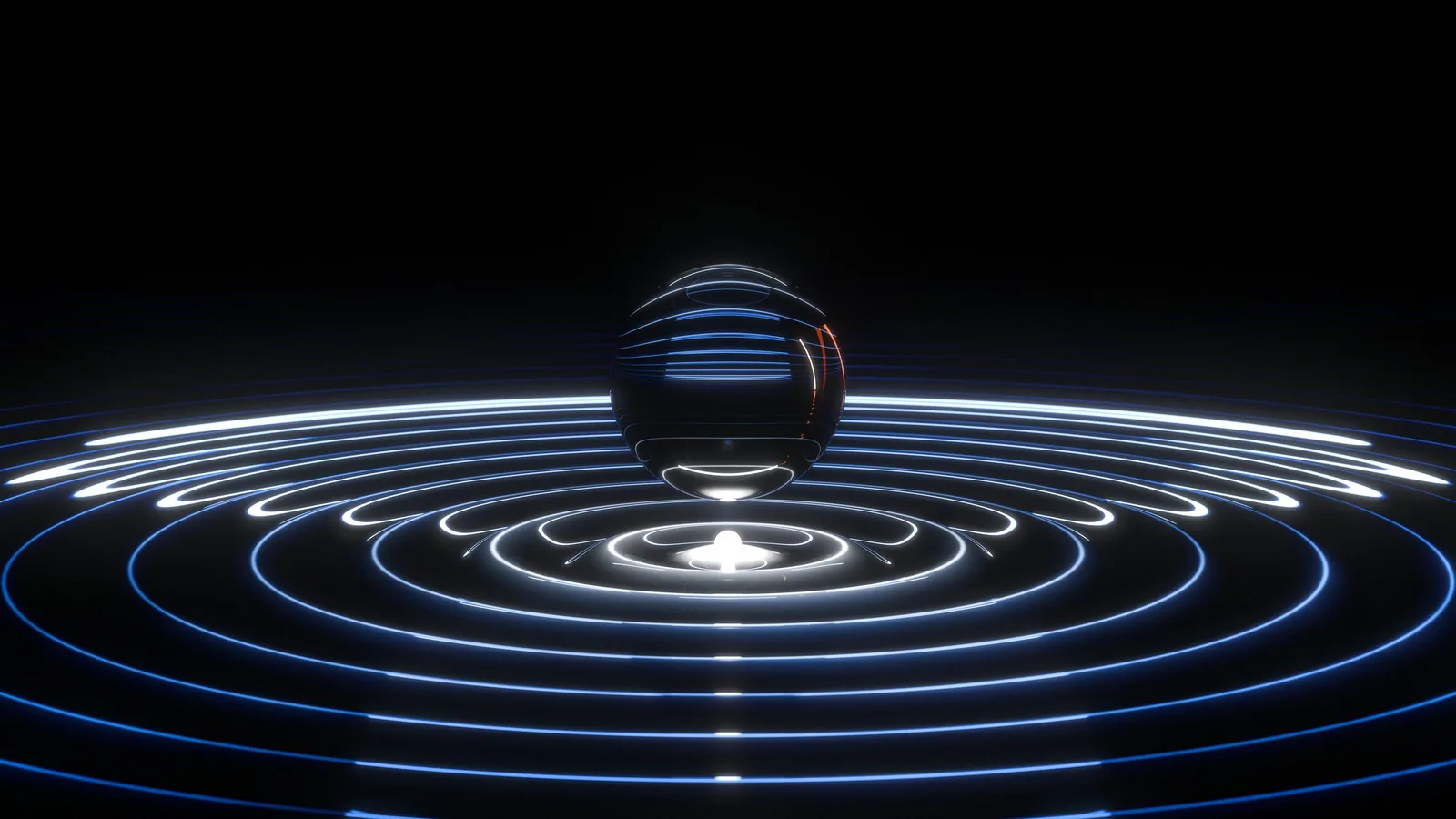
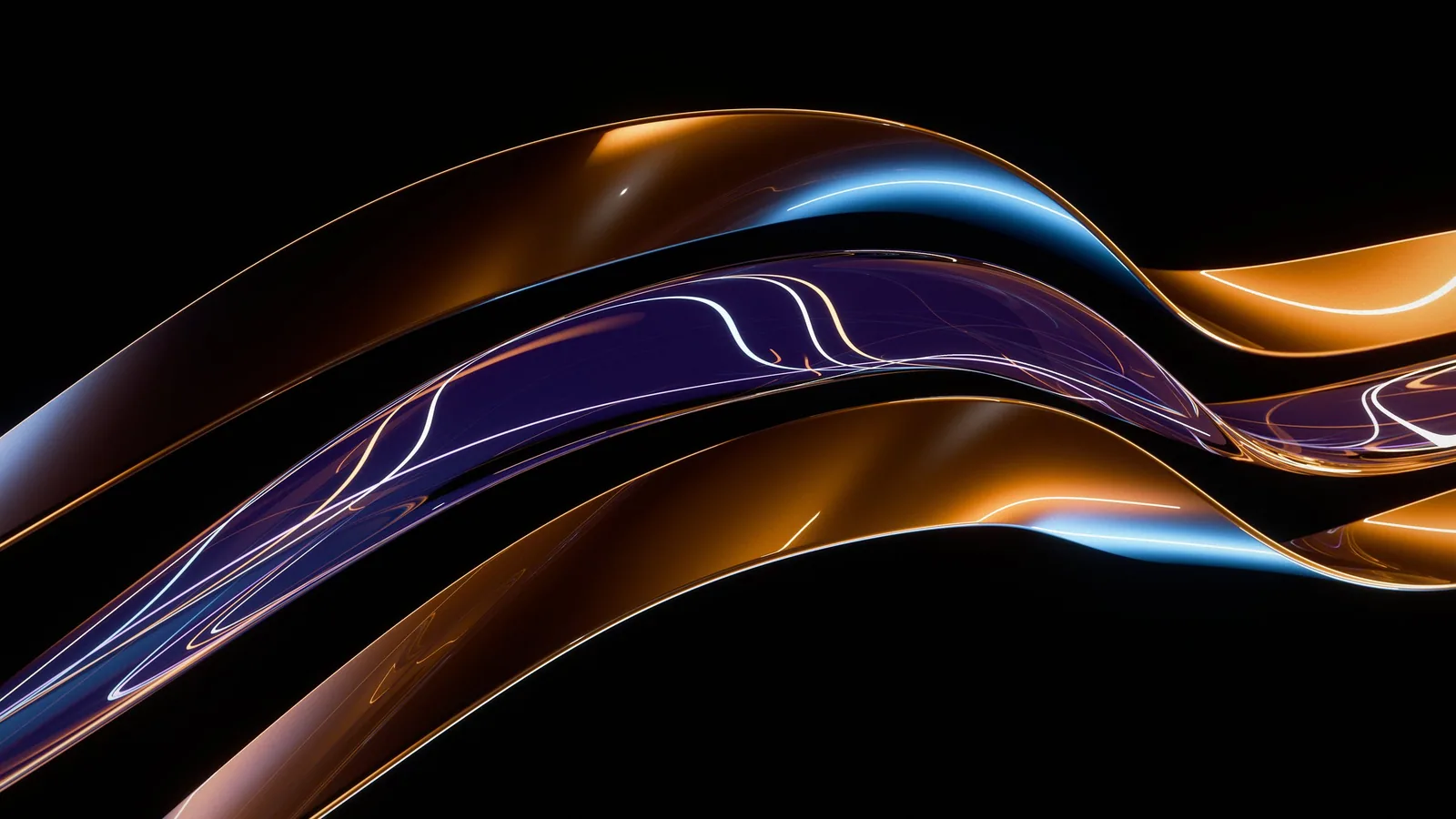
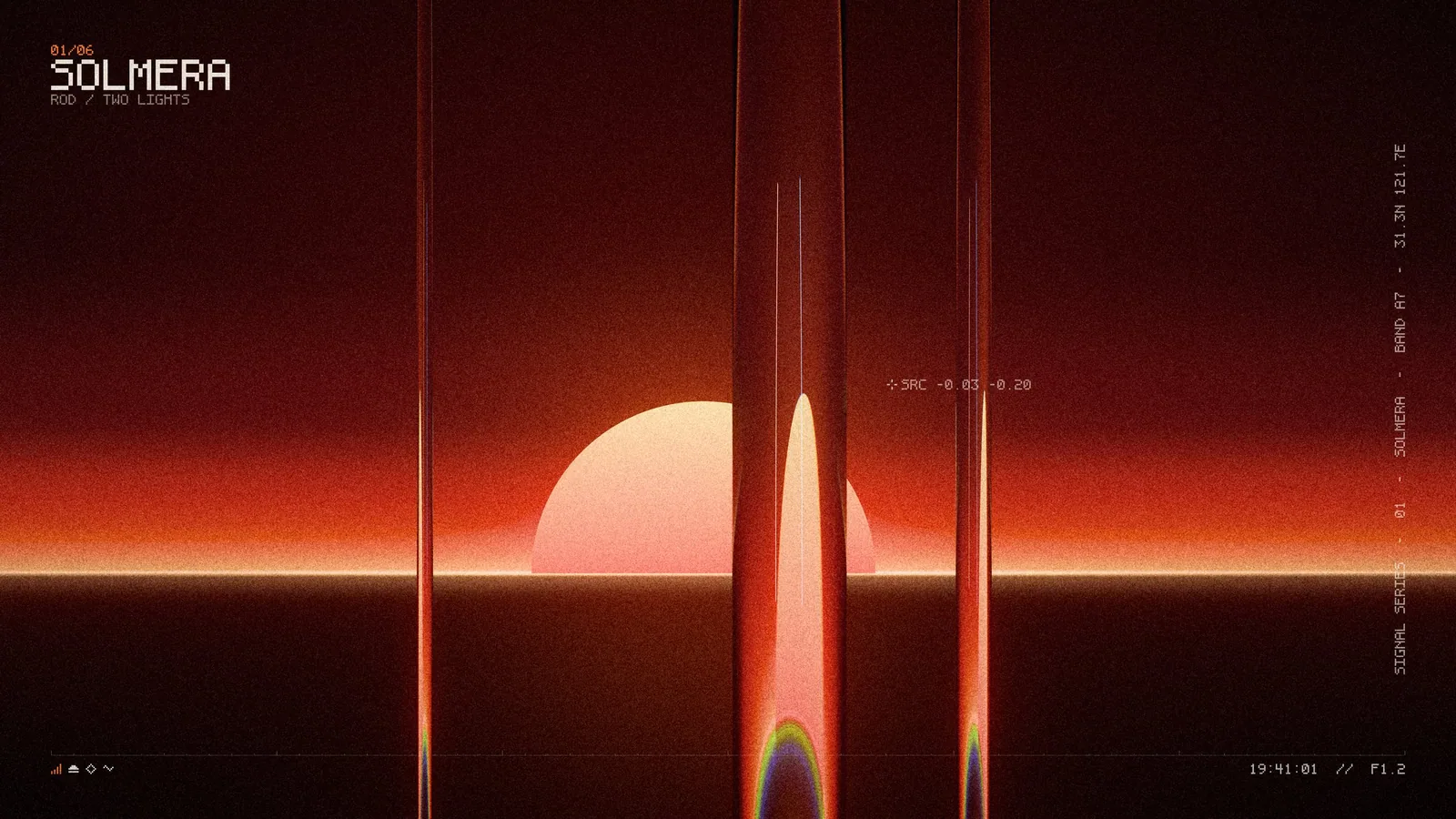
Every series in the store starts as an empty 3D scene. Shapes, materials and light are built by hand in Blender, then rendered twice: once wide, once tall.
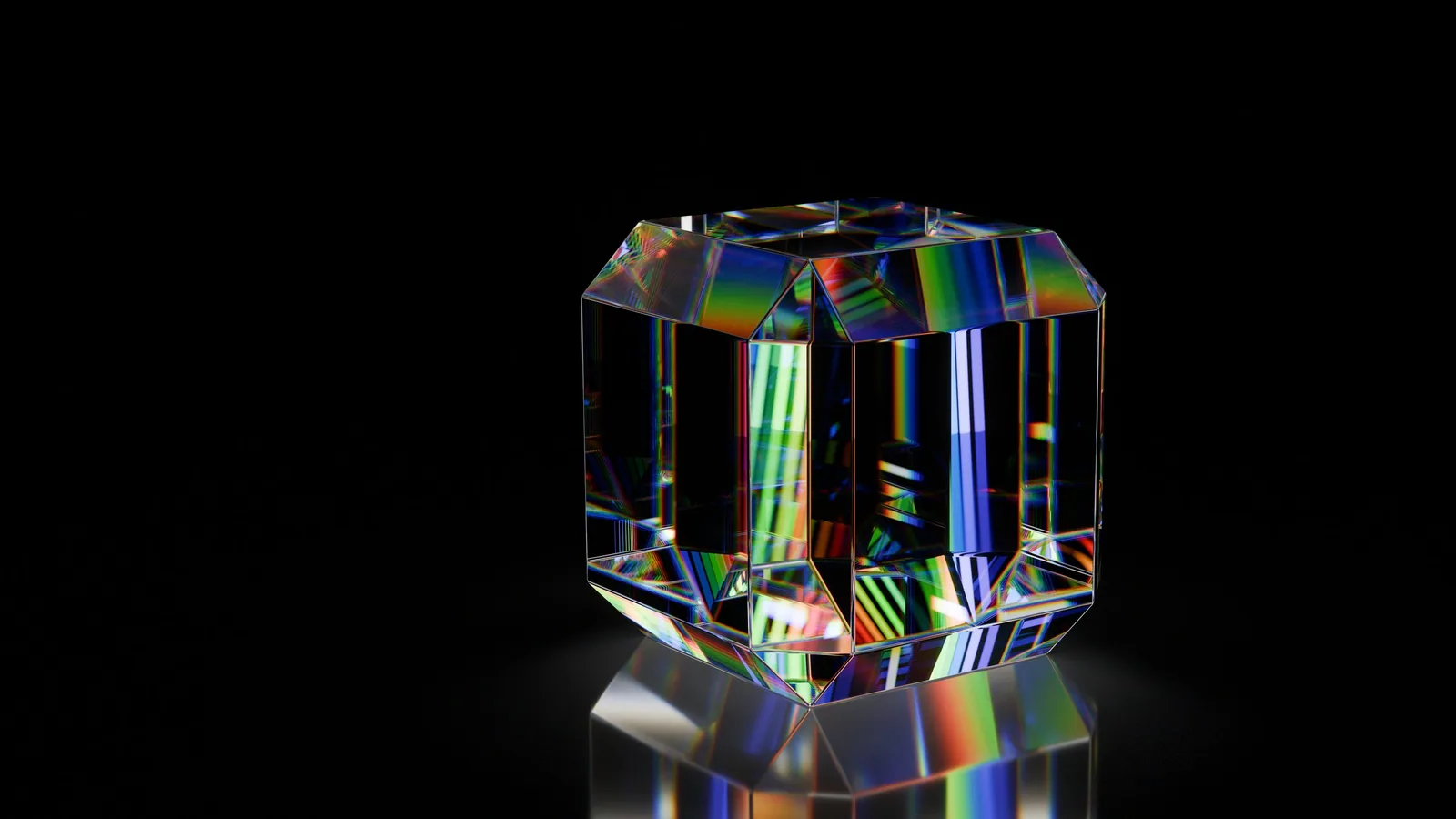
Every wallpaper series in this store is rendered, not photographed and not generated. Each one starts as an empty scene in Blender and ends as a folder of desktop and phone images that belong together.
Built from nothing
A series begins with an idea for a material and a light, for example ribbed glass with a warm light behind it. We build the scene from our own geometry and our own materials. No stock photos, no downloaded textures or 3D models, and no AI image generators anywhere in the process.
Because the whole scene is ours, we can change anything: move a light by a few degrees, slow down a curve, cool the shadows. That control is what lets a set of images feel like one family instead of a collection of nice pictures.
One scene, many frames
Each image in a series is a different view of the same world. The camera moves, the light shifts, some parameters change, but the materials and palette stay the same. That is why a series can rotate on your desktop all day without feeling random.
Framed twice
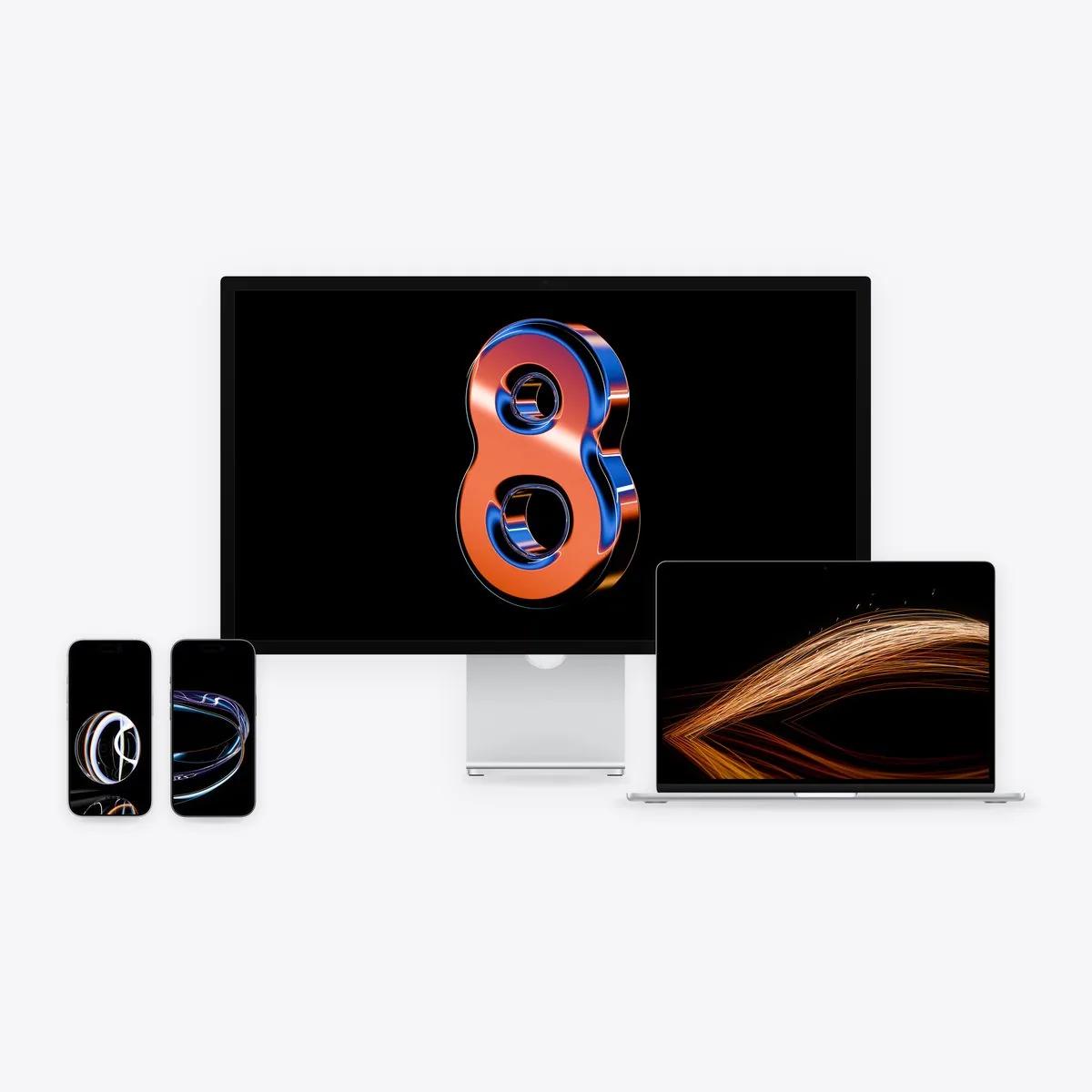
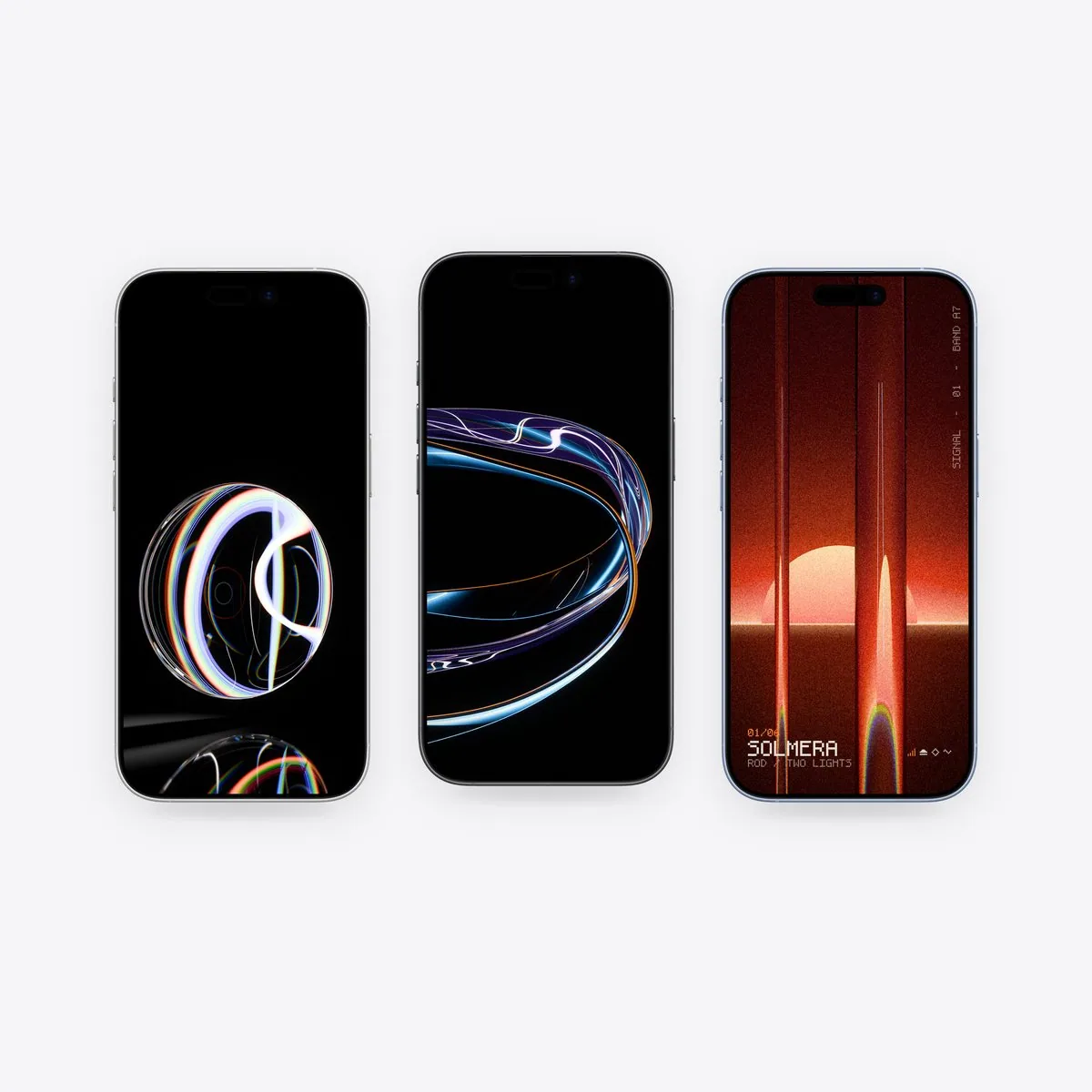
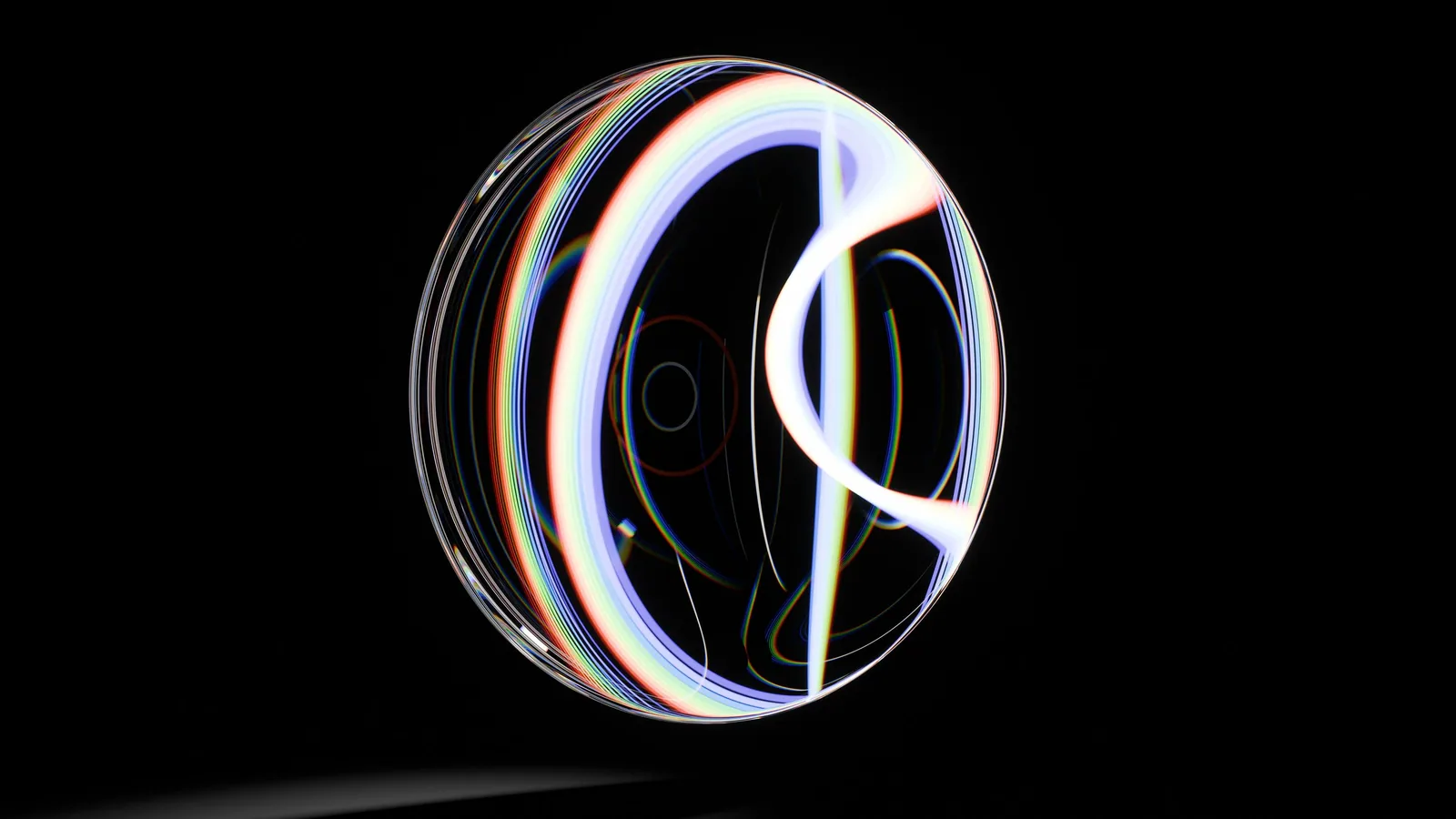
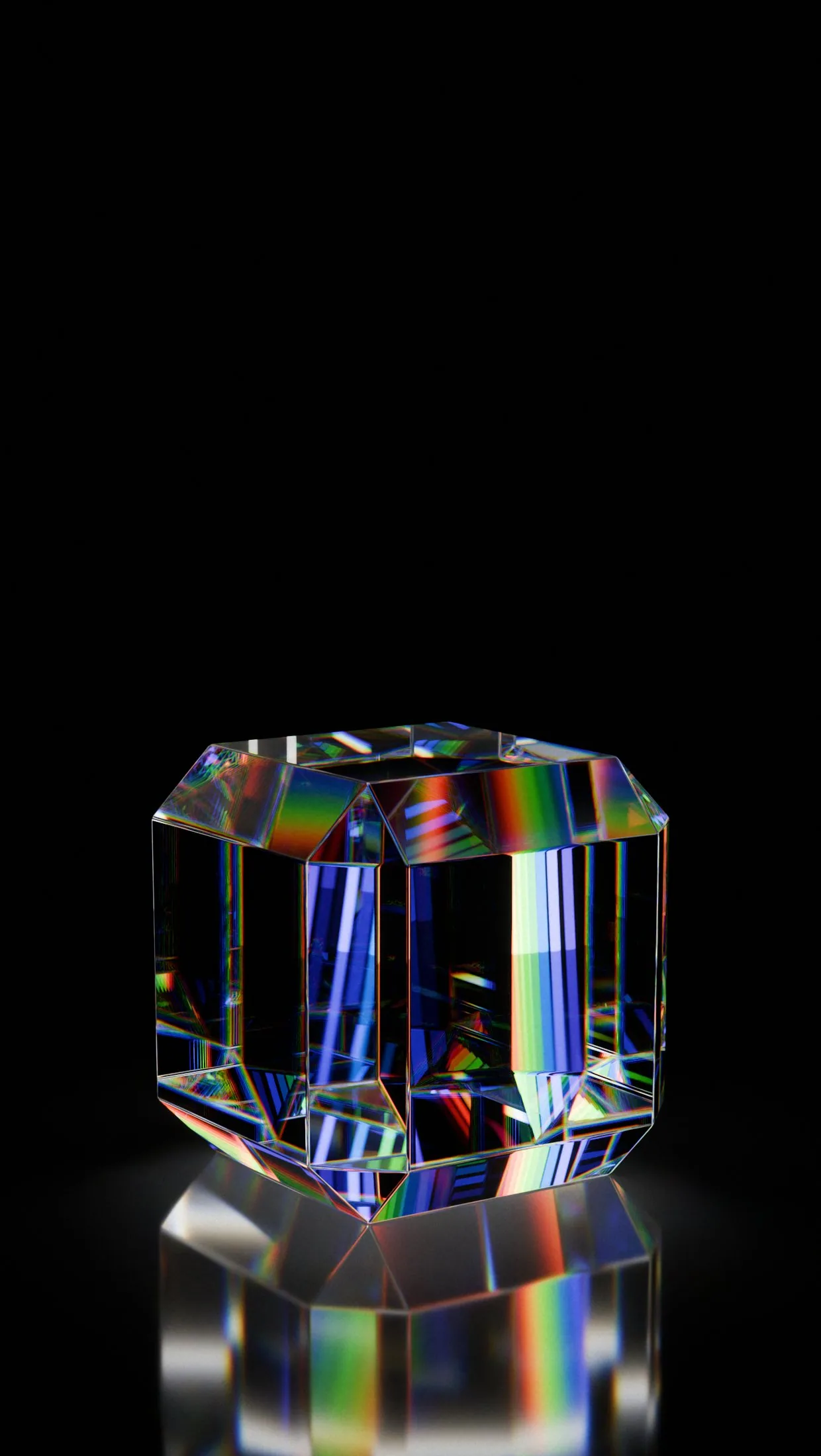
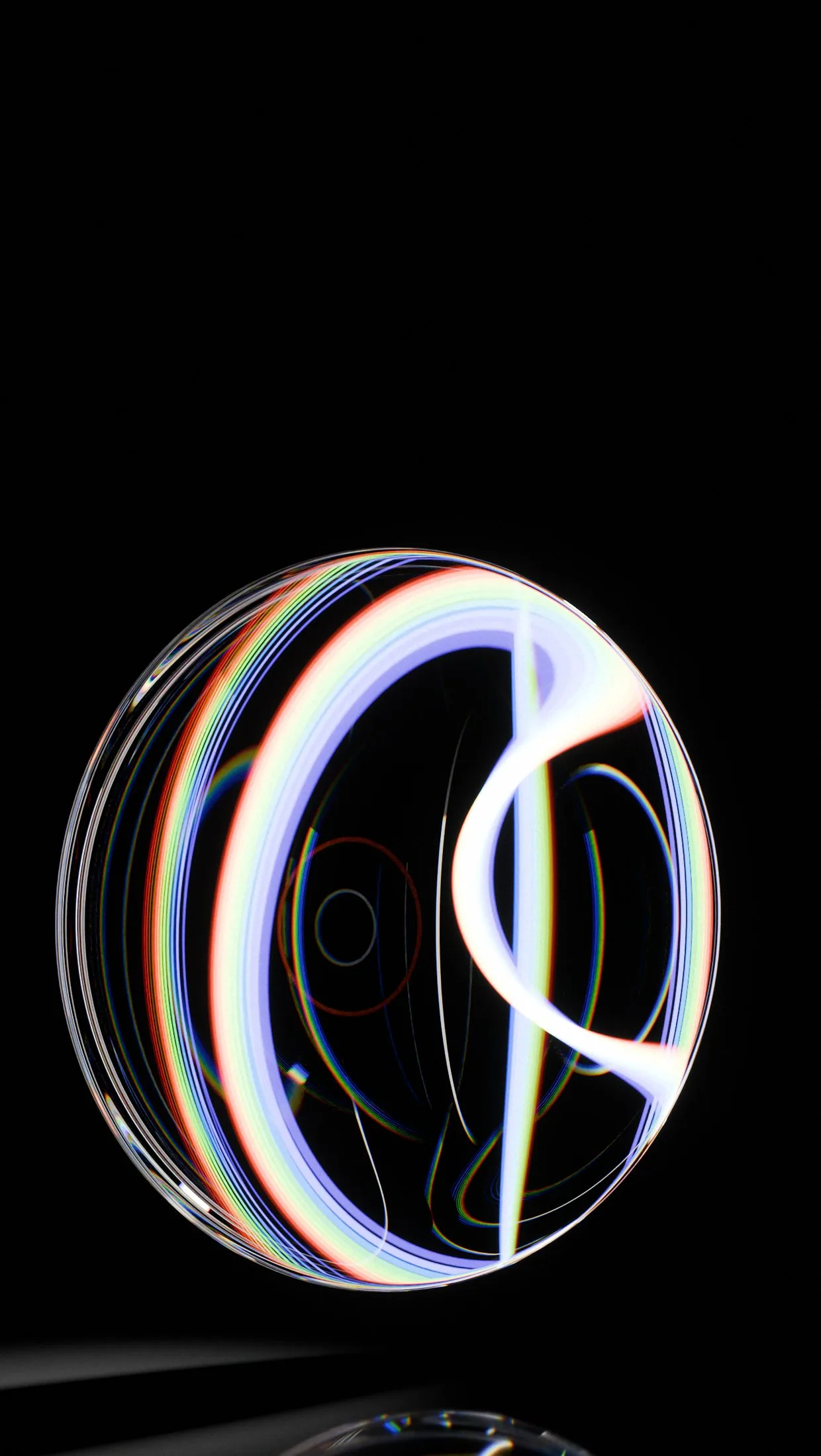
A desktop is wide and a phone is tall. Cropping one into the other almost always cuts the interesting part in half. So every view is rendered twice, with a separate camera for each shape: a wide 16:9 frame for the desktop, and a tall frame for the phone.
What we check before a series ships
- Live with it. Set it as the desktop and work normally for half a day. Does it get in the way of windows and icons?
- Shrink it. At thumbnail size, can you still tell which series it belongs to?
- Look closely. Smooth gradients, no banding in the shadows, nothing odd along the edges.
Then we package it
Each pack is one ZIP with a Desktop folder and a Phone folder, consistent file names and a short read-me. Unzip it and you're done.
Get the next one by email
One short email when a new pack or article is out.